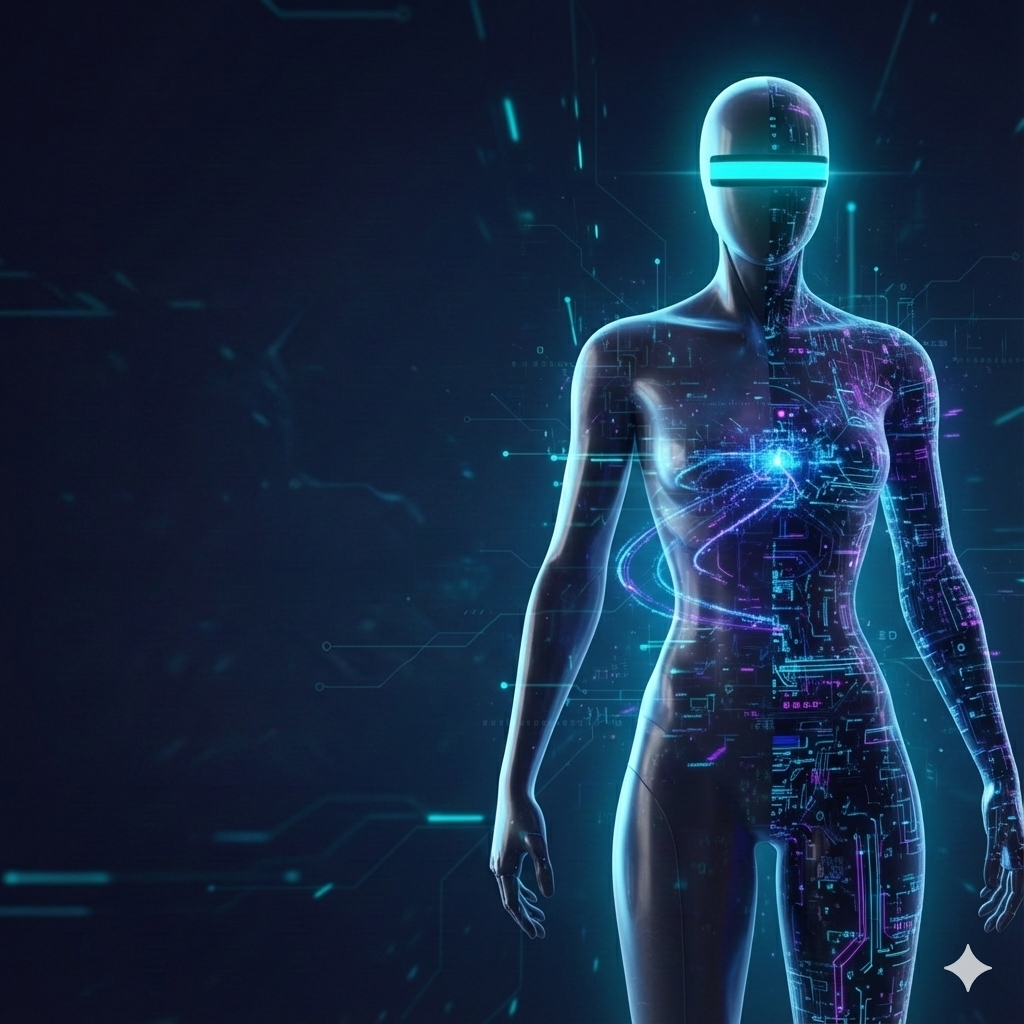
About the Book
This comprehensive guide explores the fascinating intersection of Artificial Intelligence and Robotics, focusing on the emerging field of Physical AI and Humanoid Robotics. The book is designed to take readers from foundational concepts to advanced implementations in humanoid robot development.
Book Overview
Physical AI represents the convergence of artificial intelligence with physical systems, enabling machines to interact intelligently with the real world. This book covers everything from ROS 2 fundamentals to advanced humanoid robotics, including sensor integration, digital twins, AI reasoning systems, and multimodal interaction capabilities.
Who Should Read This Book?
- Students: Computer Science, Robotics, AI, and Engineering students seeking to understand modern robotics
- Developers: Software engineers looking to transition into robotics and AI development
- Researchers: Academics and researchers exploring Physical AI and embodied intelligence
- Enthusiasts: Anyone curious about the future of AI-powered robotics and humanoid systems
Learning Approach
This book follows a hands-on, practical approach where theoretical concepts are reinforced with practical implementations. Each module builds upon previous knowledge, gradually developing the skills needed to create sophisticated AI-powered robotic systems.
Guidelines for Readers
- Start from the beginning: Each module builds on previous concepts
- Practice actively: Implement the examples and experiments as you learn
- Experiment boldly: Modify code examples to deepen your understanding
- Join the community: Engage with other learners and share your projects
- Be patient: Robotics is complex - take time to understand each concept
Technology Stack
The book leverages industry-standard tools and frameworks including ROS 2 for robotic communication, Gazebo and Unity for simulation, NVIDIA Isaac for AI-powered robotics, and modern AI frameworks for perception and reasoning capabilities.